

I’ll be your father figure. In this Show and Tell episode, Jenn, Jodi, and Maansi unpack masculinity as a cultural construct, from powdered wigs and heels in 18th century France to Travis Kelce happily playing the less famous partner on New Heights.
Jenn kicks things off with Better Man, flipping every one of the ex’s flaws to sketch the man Taylor actually wants, Jodi brings The Man and gets real about the double standards that turn a woman’s “edge” into a man’s ambition, and Maansi closes with Father Figure, tracing every Jaguar, chateau, and glass of brown liquor back to the patriarch. Pour yourself a whiskey (or don’t, it tastes like fire) and press play.
Apple Podcast Subscribers can now listen ad free with a paid subscription!

🫶 Thank you for reading and listening. We’re a fully independent podcast: we write, produce, edit, and promote every episode ourselves, no team behind us.
If you’re able to support that with a paid subscription, here’s what it gets you: bonus episodes, our full Extra Credit archive, extra subscriber-only content, and a real say in what we cover next.
First 50 annual members get 40% off with our Wi$h Li$t Discount
Listen on Apple Podcasts? Paid subscribers there get ad-free episodes, early access, and bonus episodes too
💚 Engagement matters: a paid subscription isn’t the only way to help. Leave us a review on Apple or Spotify, drop a comment, subscribe for free, tap the heart, or send this to a Swiftie who’d love it. Every bit of it helps us reach more listeners and keep making the show!
Not sure where to start listening?
With over 130 original episodes, it can be hard to find exactly the episode you want to listen to. So we’ve created Spotify playlists by era and theme to help you find the perfect AP Taylor Swift episodes to listen to!
🤠 Debut Era ⭐ Fearless 🎆 Speak Now 🧣 Red 🌃 1989 🐍 reputation
💗 Lover 🪩 folklore 🍂 evermore 🕕 Midnights 📖 TTPD ❤️🔥 Showgirl
Book Episodes (Books, shows, movies) | Literary Theory & Rhetorical Device Episodes | Theme Episodes
📜 This Week’s Extra Credit by Maansi
On this week’s episode we talked about Taylor Swift songs in the context of masculinity. But like many cultural things, masculinity is fluid and defined by the people, geographies, and time that give it context. I wanted to spend some time in the extra credit this week exploring how the definition of masculinity has evolved in American culture just in the last two decades that Taylor Swift has been writing, but also take a peek at what it may look like in different cultural contexts.
Mirriam Webster defines masculinity as the quality or nature of the male sex: the quality, state, or degree of being masculine or manly. When Taylor’s first song came out in 2006 (almost exactly 20 years ago), this is what was trending in terms of masculinity:
Boy bands and metrosexuality inspired by popular 90s boybands and single gay men who were not yet out of the closet, but single and desirable (think Neil Patrick Harris, Lance Bass, etc).
Heath Ledger in Brokeback Mountain was an image that was popular - cowboy aesthetic and yet once again challenging challenging “conventional masculinity” because he was playing a gay character.
That same year George Clooney was considered to be the hottest man of the year - recognized for being classically good-looking, but also down-to-earth, self-deprecating, and funny.
Powerful, athletic men with chiseled bodies that correlated with athletic prowess were also being revered. Dwayne Wayde’s face was on many magazines for his dunk in the NBA final that year.


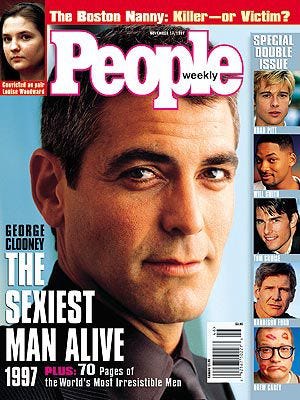
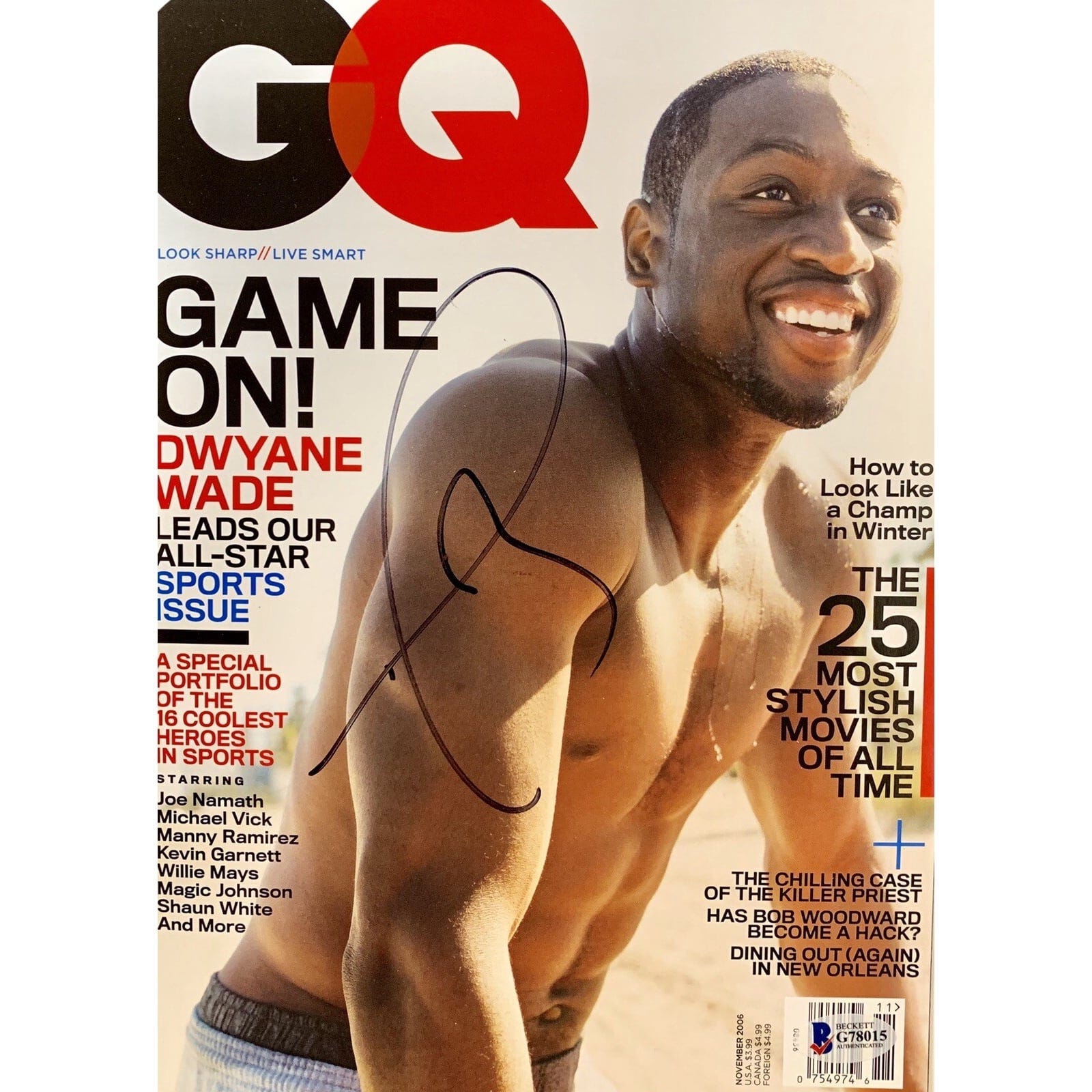
Basically - in pop culture, there were some competing images of what masculinity looked like at this time. The traditionally hardened edges of man were softening. Keep in mind, this was pre-instagram and EVEN in the very early, college-only years of Facebook, so magazines and TV is where masculinity took to visual form.
Fast forward
Today, 20 years later, our perceptions of masculinity are being shaped more by social media and AI. What’s really fascinating is that when I asked AI to generate an image of what masculinity looked like in America in 2006, this is the image it spat out:
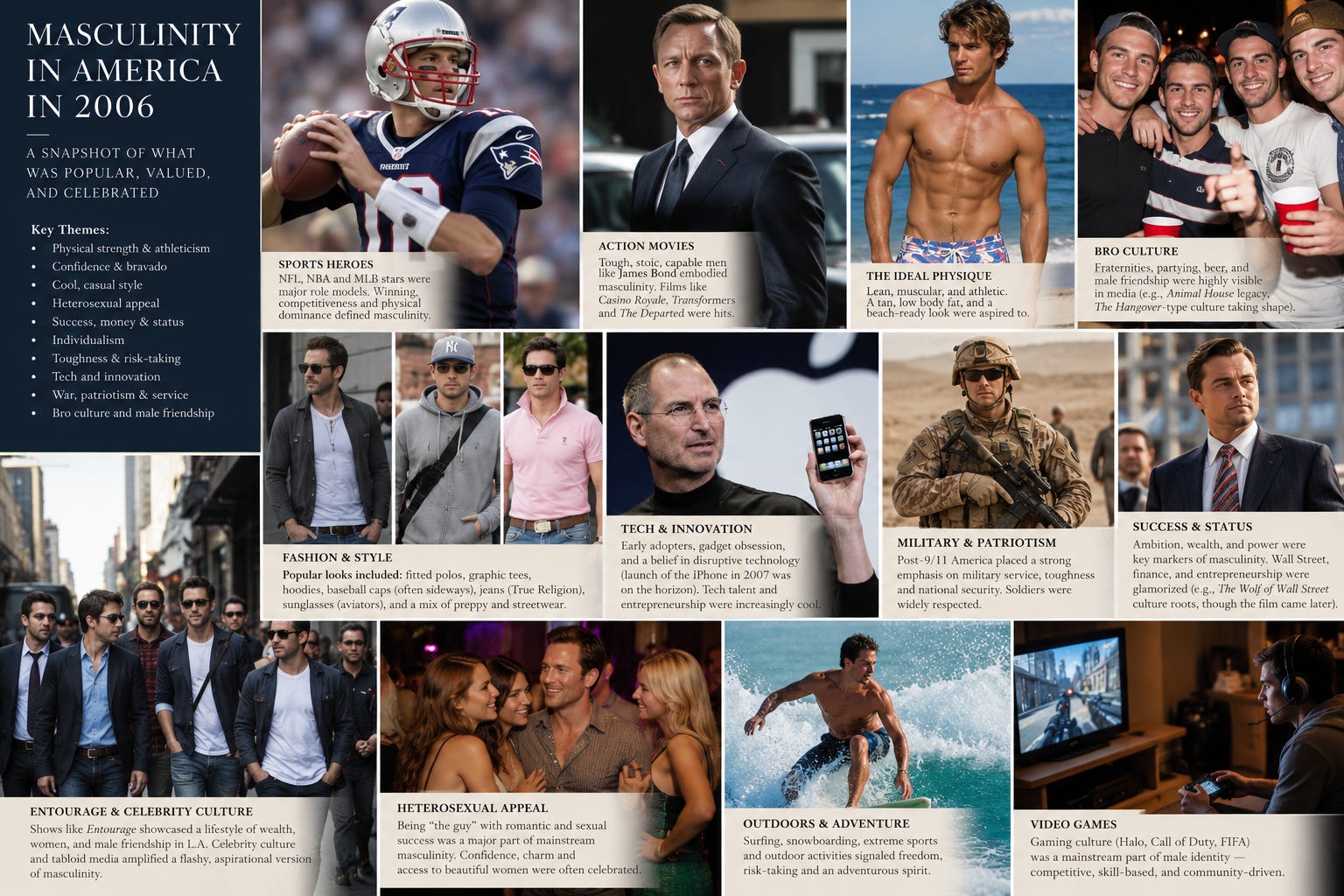
How drastically different is this from the images I shared above and what does it say about the biases that are built into the media we consume today? The distance between 2006 and 2026, between the two realities of the kinds of images I shared, is the cultural context in which Taylor Swift references masculinity in her song-writing. It’s a humble reminder that we need to make sure we’re living in the real-world, and not being influenced by biased images that are being force-fed into our minds. CONSTANT VIGILANCE.